Tackle your credit card debt by paying 0% interest until nearly 2028 If you have outstanding credit card debt, getting a new 0% intro APR credit card could help ease the pressure while you pay down your balances. Our credit card experts identified top credit cards that are perfect for anyone looking to pay down debt and not add to it! Click through to see what all the hype is about. The Surprising Kindle Hack 15 Million Readers Already Know About Every day, the ebook editions of huge New York Times bestsellers are discounted to just $2. While most are unaware, readers with the inside scoop are filling their libraries with these deals. It sends you deals on bestselling ebooks – starting at $2. No subscriptions. No monthly fees. Just books you actually want to read, at prices that don’t make you do a double-take. You can expect:
• Personalized picks based on your reading taste
• New deals every day to find new favorites
• Flexibility to buy from all major ebook retailers Given a single ebook can cost $15 or more – and avid readers can spend over $100 on ebooks a year – these savings add up fast. BookBub’s deals are only available for a limited time. Sign up to see what’s on sale today. | Rise and shine, RetireHub community! ☀️ Your Wednesday newsletter is here! | Today we’re sharing smart tips on Email vs. Text vs. Messaging Apps: When to Use What, along with the best deals, fun trivia, and more! |
|
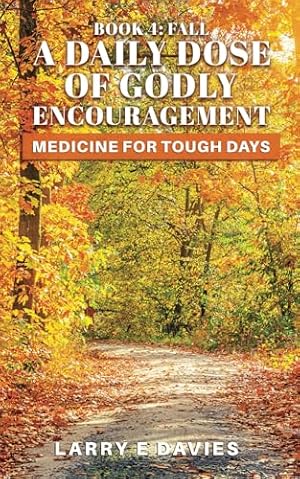
| | | | What We’re Reading | Get these e-book deals before they're gone. | | A Daily Dose of Godly Encouragment: Medicine for Tough Days Book 4: Fall | By: Larry E Davies | Three months of daily stories and lessons designed to encourage a new, larger perspective — like a helicopter ride over the community you serve. You will experience stories of encouragement to face those tough days, and read about people and churches accomplishing remarkable ministry: three stories of courage and faith, the power of one, why change is necessary, and more. Book 4 (Fall) in the Daily Dose of Godly Encouragement series. | $14.99 — Get it for just $12.99 today! |
|
|
|
| Dear Joanne | Your questions, her wisdom — Joanne’s here with thoughtful advice, warm humor, and a listening ear for whatever’s on your mind. | | I turned 64 this past week, which is strange because I’m fairly certain I was 42 just last Thursday. Time, it seems, has been sprinting while I’ve been strolling, coffee mug in hand, muttering about deadlines. And now people keep asking me when I’m going to fully retire, as if I’m a vintage appliance that’s starting to spark. | Let me be clear: As long as I can type, I am not giving up being a columnist. I merely dream about not having deadlines, which is a completely different sport. Considering retirement is like considering skydiving (I enjoy the fantasy of floating gently through life, but I am not entirely convinced I will love the feeling when the parachute opens). | At 64, I’ve reached the age where strangers call me “ma’am” (which really irks me), doctors call me “young lady” (which is patronizing but I’ll take it), and the worst is that my phone keeps suggesting articles about “dressing my age” (which is really starting to make me mad). I don’t need ads to remind me I am ageing. I have evidence. For example, I now look in the mirror and say “Where the heck did that wrinkle come from? It wasn’t there yesterday!” I also sometimes make grunting noises when I get up off the recliner to go to bed. I used to mock people who did that. Now I am one of those people. | My friends and readers are mostly retired, or at least have begun retiring one by one. Many of you send me photos of yourselves gardening, babysitting your grandkids, or, my favorite, smiling suspiciously while holding a margarita at 2 p.m. (you know who you are!) Meanwhile, I’m still answering emails and pretending I understand the new office software that was clearly designed by a caffeinated 23-year-old. | Many of us have experienced that retirement is a chance to reinvent yourself. Honestly, I still do not know what I want to be when I grow up. I’m pretty sure I do not need reinvention. I still haven’t mastered my current state. I’ve been meaning to learn Italian for more than 40 years. The only Italian I have mastered was what I learned as a pre-Kindergartener – I can fluently count to 20. And, I know exactly one phrase: Come stai. Useful, yes, but not enough to merge myself into Italian culture and sound like a local. | Still, I admit being retired has its charms. I could wake up whenever I want. I could read books without feeling guilty. I could finally organize the closet that has become an avalanche of clothing I will never wear again. I could even take up a new hobby. | But here’s the truth: I love writing. I love complaining about writing. I love complaining about deadlines while secretly enjoying the adrenaline rush of meeting them. So maybe I am not ready to fully retire just yet. Maybe I’ll simply slow down, write for YOU, my fabulous readers, and continue confusing people by insisting I’m “middle-aged.” | After all, 64 is not old. It’s just… seasoned. Like a cast-iron skillet. Or a perfectly grilled steak. | So, if you need me, I’ll always be here at [email protected], still typing, still laughing, and still loving every minute I get to be with YOU. And if someday I do decide to retire, I promise that YOU will be the first to know. I’ll send emails to each of you from wherever I am with a photo of me drinking wine at 2 p.m., speaking flawless Italian, and making absolutely no noise when I stand up. Make sure you email me, so your name and email address are on that list! | Have a great week! | Joanne | |
|
| | | Together with Wise & Wired Studio  This week in AI, explained in plain English for people our age AI is showing up everywhere — in the news, in your phone, in questions from the grandkids — and most of what's written about it assumes you either work in tech or don't care. Don Walker, a Baby Boomer and self-described AI convert, founded Wise & Wired Studio to close that gap for readers our age. His free weekly AI Briefing filters the week's most relevant AI developments and explains them in plain English, written for experienced adults. Signing up also unlocks free access to his first two courses — no credit card, no commitment — and early access as new courses open. It's free, there's no spam, and you can unsubscribe with one click. Learn today. Do more tomorrow. |
| On this day in 1908, General Motors was founded in Flint, Michigan, by William C. Durant. What started as a small holding company for Buick quickly grew into one of the largest automobile manufacturers in the world, shaping the way people traveled and revolutionizing industry with innovations in mass production and design. GM’s creation marked a turning point in both American business and everyday life, as cars became more accessible to families across the country. |
|
| |
Advertising keeps this newsletter free — thank you for reading. |
| Email vs. Text vs. Messaging Apps: When to Use What | Communication today comes in many forms—emails, texts, and messaging apps like WhatsApp or Facebook Messenger. Each has its strengths, and knowing when to use which tool can help you stay connected while keeping things simple and effective. | Email: Best for Formal or Detailed Messages
Email is the go-to for longer, more detailed conversations. It’s perfect for official matters—like sending documents, confirming appointments, or writing to businesses. Emails can also be searched and stored for reference, making them handy for keeping records. Think of email as the digital equivalent of a letter—it’s formal, reliable, and ideal when detail matters. | Text Messages: Best for Quick, Time-Sensitive Notes
Texting shines when you need to get a message across quickly. From reminding a friend about lunch to letting your neighbor know you’ll be late, texts are short, direct, and almost always read right away. Because they’re tied to phone numbers, texts don’t require special apps or internet access—making them a simple choice for most people. | Messaging Apps: Best for Ongoing, Group, or International Chats
Messaging apps like WhatsApp, iMessage, or Facebook Messenger are excellent for ongoing conversations. They allow for group chats, photo sharing, and even video calls—all in one place. They’re also great for staying in touch with family or friends abroad, since most only require Wi-Fi instead of costly international texting fees. Plus, these apps often feel more casual and conversational than email. | How to Decide Which to Use | Email: Use for anything formal, detailed, or when you need a paper trail. Text: Use for quick, urgent, or one-off messages. Messaging Apps: Use for casual chats, group communication, or international connections.
| By matching the method to the message, you’ll save time, reduce confusion, and stay better connected. | How do you most often communicate with friends and family? | |
|
| From the RetireHub Archives: When do you think is the best time to consider long-term care insurance? |
|
| | It looks like many of you (30%) feel the mid-50s is the sweet spot for thinking about long-term care insurance—when premiums are lower and health is usually in good shape. Quite a few (25%) shared that you’re still figuring it out, which makes sense—this is a big decision and not one-size-fits-all. Others lean toward the early 60s (21%) or even the late 60s and beyond (19%), showing that timing really depends on each person’s comfort level and circumstances. Just a handful (3%) had different ideas altogether. Wherever you are in the process, it’s clear we’re all working through the same questions together. | OUR FAVORITE COMMENTS | “At 68, I'm past the time I should have gotten it. Living paycheck to paycheck, it was considered, but other expenses took priority. I just have to hope I remain in good health until death.” “I'm 74 and on a fixed income; too late for me. It should be addressed when people are much younger.” “Never. It is not a good investment.”
| | Trust Yourself Again: Claiming Confidence in the Everyday | Trusting yourself after 60 isn’t just a feel-good idea—it’s a cornerstone for living with peace, purpose, and joy. Rather than waiting for life to give you assurance, this approach encourages leaning on the wisdom and experience you’ve gathered over the years, letting your instincts and values guide your choices. | Self-trust isn’t about perfection. It grows through small, everyday actions: keeping promises to yourself, listening to your intuition, and forgiving yourself when things don’t go perfectly. Even modest wins—standing up for your needs, saying no when necessary, or making a choice that feels right—add layers to your confidence and inner clarity. | Building trust also means being selective with others. You don’t need to give everyone access to your heart, but choosing relationships that lift you, affirm your authentic self, and support your wellbeing makes it easier to trust both yourself and the people around you. | Finally, trust extends to life’s journey itself. Change, uncertainty, and surprises are inevitable, but approaching them with faith in your ability to navigate them turns anxiety into courage. Even when the map is unclear, self-trust allows you to meet challenges with confidence, explore new opportunities, and embrace joy wherever it arises. | In short, trusting yourself is not the absence of doubt—it’s the steady assurance that, with your experience, insight, and values, you can navigate life’s twists and turns with grace. This mindset transforms everyday decisions into acts of empowerment, creating a sense of calm and possibility in the later chapters of life. | READ MORE | |
|
| Follow us on Social Media! | Join an online community thriving in retirement! Find us on: | | Every day we post retirement tips, highlights from our newsletter so you can comment and discuss in the community, and some fun retirement-themed motivation! | |
|
| Slang Phrase of the Day | Phrase: Snug Signal | Meaning: A “snug signal” is a subtle cue or sign—often physical or situational—that lets someone know it’s time to get comfortable, settle in, or pay attention to personal safety or well-being. It can refer to anything from adjusting a blanket, fastening a seatbelt, or noticing a cozy environment that invites relaxation. | In a sentence: "As I sat down in my favorite armchair and wrapped myself in a warm throw, it was my snug signal that it was finally time to relax and enjoy a good book." | |
|
| Good News of the Day | Christian Bale Opens Long-Dreamed of Foster Care Village Aimed at Keeping Siblings Together | The personal passion project of Hollywood A-lister Christian Bale has finally come to fruition, as the Welsh actor cut the ribbon on a children’s foster care village in Palmdale, California. Called Together California, the facility and the organization which will run it are focused on one key mission Mr. Bale says the state foster system […] | READ MORE | |
|
| | Free delivery that pays for itself | If you're not already a member, Amazon Prime bundles free fast delivery with Prime Video's movies and shows. The 30-day free trial is the easy way to see whether it earns its keep. | | |
|
| Other Publications We Like | Check out these other email newsletters we think you’ll enjoy! | | |
|
| | Want more trivia? Play our “Nostalgia Trivia Game” on our site! We add fresh questions daily, so there’s always something new to test your knowledge.
Not into trivia? No worries! We’ve got plenty of other fun games to enjoy, like: | |
|
| Which instrument was invented and patented in 1846 by Belgian maker Adolphe Sax? | | Louis and Auguste Lumière are credited with developing the Cinématographe and holding the world’s first commercial movie screening in which year? | |
|
| A qanat — an ancient underground water-transport system — originated in which historical region? | | A QUICK ASK: First off, thank you for reading RetireHub every day. It fills our cup that so many thousands of people get joy from our little publication. | As you know, good content costs money. In order to continue supporting ourselves and to continue delivering the content you enjoy every day, we need to pay our writers. If you can, we ask you to subscribe to our paid account (for $5/month - less than a cup of coffee!) below. | If you choose to purchase a paid subscription, please know you’re supporting not only our publication, but tens of thousands of other 50+ year old Americans that get joy, entertainment, financial tips, and more from RetireHub every single day. | If you don’t join the paid plan (or can’t), no worries at all. We know times are tough. Thank you for being a part of our tiny, joyful part of the Internet. | - Jay | → Support Our Writing ← |
|
| **RetireHub may receive affiliate compensation for links clicked within this newsletter. | ***RetireHub may share poll results with advertisers. |
|
| |
|
| 🏆 Best Poll Reply of the Week | After you vote in today’s poll, tell us why in the comment box. Every week our editors pick the best written reply, and the winner gets a $25 Amazon gift card. We’ll email the winner directly and may share the winning reply (first name and last initial only) in a future issue. | No purchase necessary. US residents 18+. Official rules. | |
|
|
|
|